How Transparent Pricing Saves You Money on Bulk Imports
When businesses purchase products internationally, the quoted product price is rarely the complete cost of getting those products into their warehouse.
Freight charges, customs duties, taxes, insurance, documentation, inspection fees, agent charges, and other expenses can significantly change the final amount a buyer pays.
This is why transparent pricing global sourcing has become increasingly important for retailers, wholesalers, distributors, and other B2B buyers.
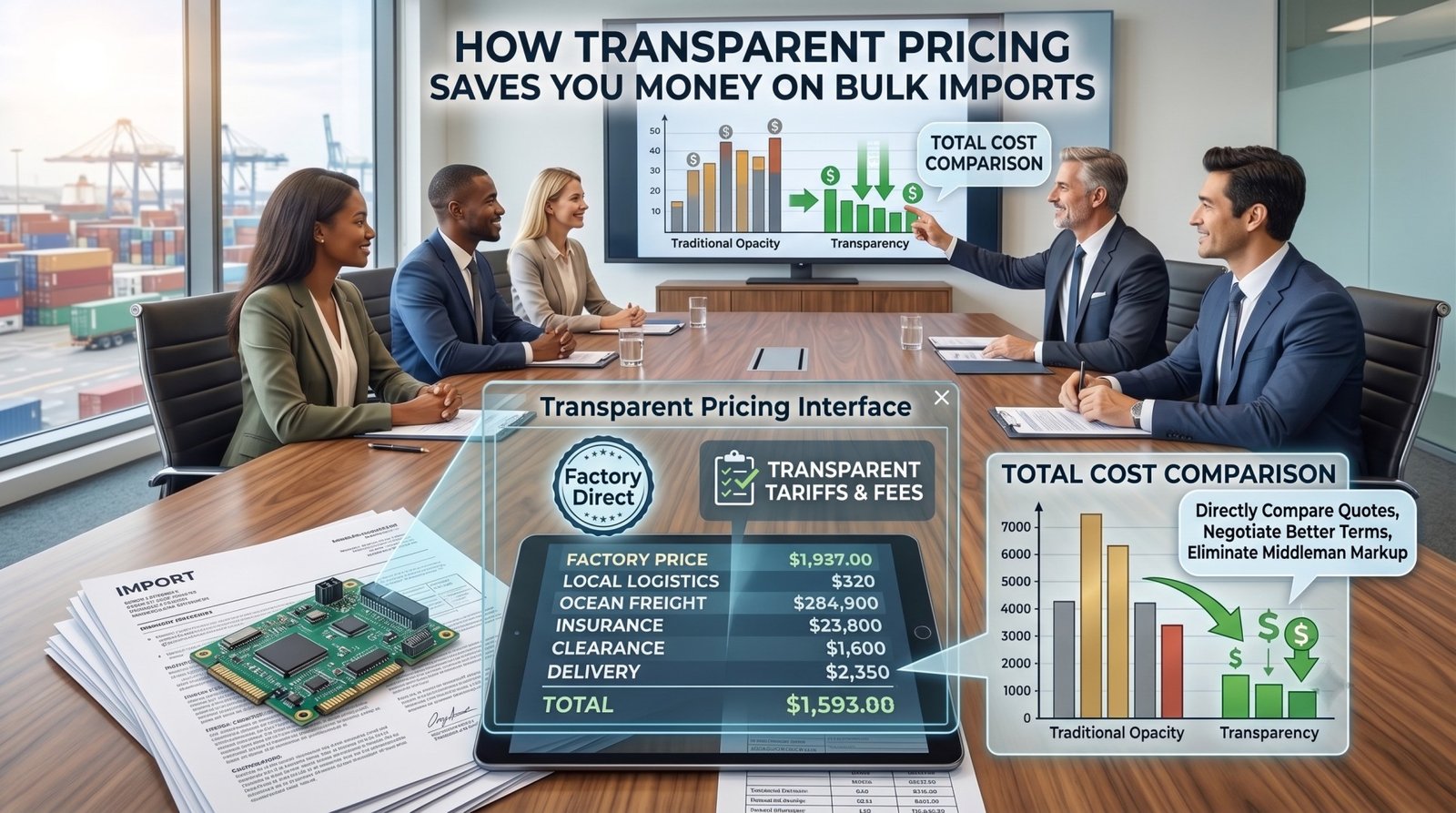
A transparent pricing model helps businesses understand where their money is going, compare suppliers more accurately, and estimate the actual cost of a bulk order before making a purchasing decision.
The Hidden Costs Buyers Often Miss
A supplier may quote an attractive price per unit, but that number alone does not tell you how much the product will ultimately cost your business.
The final procurement cost can include several additional components.
Product Cost
This is the basic price charged by the supplier or manufacturer for the products.
It may depend on:
-
Order quantity
-
Product specifications
-
Materials
-
Customization
-
Packaging
-
Branding
-
Payment terms
A larger order may result in a lower unit price, but buyers should compare the complete cost rather than focusing only on the quoted product price.
Packaging Costs
Some suppliers include standard packaging in their product price, while customized packaging, stronger export cartons, labels, or private-label packaging may cost extra.
Always confirm whether packaging is included in the quotation.
Freight and Shipping
Transportation costs can vary considerably depending on:
-
Product weight
-
Product volume
-
Shipping method
-
Origin and destination
-
Delivery speed
-
Cargo type
-
Shipping terms
Air freight may offer faster delivery but can cost more than sea freight for suitable bulk shipments.
Customs and Taxes
Imported goods may be subject to customs duties, taxes, and other applicable charges depending on the product, origin, destination, classification, and applicable regulations.
These costs should be considered when calculating the total landed cost.
Inspection and Documentation
Depending on the transaction, buyers may incur costs for product inspections, certificates, documentation, testing, or other compliance requirements.
Agent or Service Fees
When third parties are involved in sourcing or importing, service fees or commissions may apply.
These fees are not necessarily a problem, but buyers should know exactly what they are paying for.
Customs, Freight & Agent Fees Explained
Understanding the major cost components makes it easier to evaluate supplier quotations.
Customs Costs
Customs-related charges can depend on factors such as the product's classification, declared value, country of origin, and applicable regulations.
Before importing, buyers should determine the applicable requirements for their specific product and destination.
Do not assume that the supplier's product quotation includes customs duties or local taxes unless the commercial terms clearly state so.
Freight Costs
Freight is one of the most variable parts of international sourcing.
For example, two suppliers offering the same product at the same factory price may result in different final costs because they are located in different regions or use different shipping arrangements.
Ask suppliers or logistics providers to clearly specify:
-
Shipping method
-
Origin
-
Destination
-
Freight charges
-
Estimated transit time
-
Insurance, if applicable
-
Included and excluded charges
Agent Fees
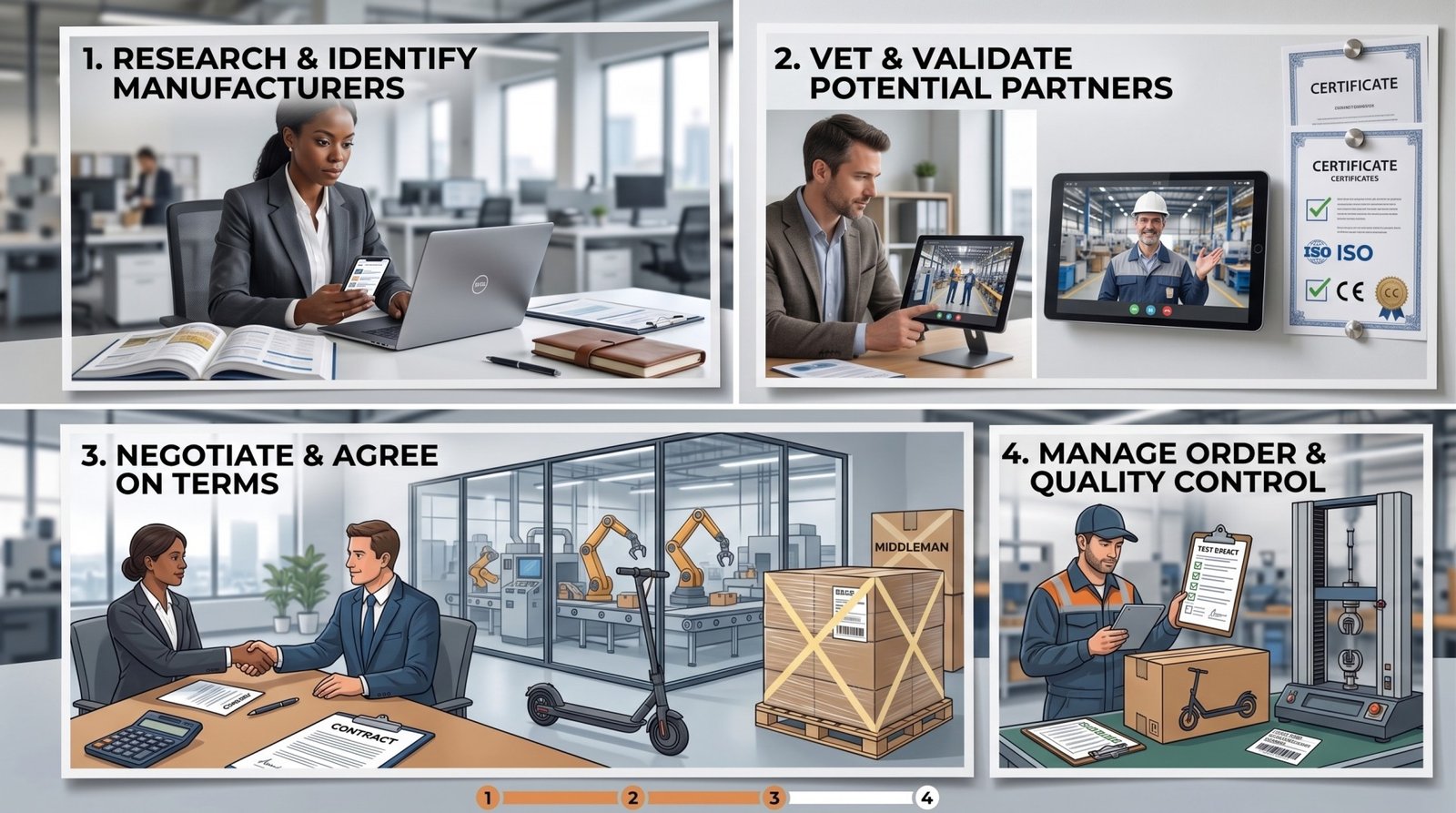
Sourcing agents and other intermediaries can provide useful services such as supplier discovery, negotiation, inspection coordination, and logistics support.
However, buyers should understand whether the agent charges:
-
A fixed service fee
-
A percentage commission
-
A per-order fee
-
A combination of charges
Transparent disclosure allows the buyer to calculate the actual sourcing cost.
Landed Cost
One of the most useful concepts in global sourcing is landed cost.
Instead of looking only at the supplier's unit price, calculate the approximate total cost required to get the goods to their intended destination.
A simplified calculation can look like:
Landed Cost = Product Cost + Packaging + Freight + Insurance + Customs Duties + Taxes + Inspection + Other Applicable Charges
The exact calculation depends on the transaction and applicable trade terms.
Why Transparent Pricing Builds Buyer Trust
Pricing transparency is not only about saving money. It also improves communication between buyers and suppliers.
Easier Budget Planning
When costs are clearly separated, businesses can estimate how much capital is required before placing an order.
This is particularly important for startups and small businesses with limited working capital.
Fewer Surprises
Unexpected charges can disrupt margins.
If a buyer expects a product to cost ₹500 per unit but discovers additional expenses after placing the order, the actual profit margin may be significantly lower than expected.
Transparent quotations reduce this uncertainty.
Better Supplier Comparisons
When every supplier provides a different pricing structure, comparing only the product price can produce misleading results.
Breaking down the total cost allows buyers to compare suppliers on a more consistent basis.
Stronger Supplier Relationships
Clear pricing creates fewer misunderstandings.
When both parties understand product costs, shipping charges, payment terms, and other expenses from the beginning, commercial discussions can become more straightforward.
How to Compare Supplier Quotes the Right Way
One of the biggest mistakes in global sourcing is choosing a supplier simply because they offer the lowest unit price.
Instead, create a comparison based on the complete order cost.
Compare the Same Product Specifications
Make sure every supplier is quoting for the same:
-
Material
-
Size
-
Quality grade
-
Quantity
-
Packaging
-
Branding
-
Product specifications
A lower quotation may simply reflect a different product specification.
Compare MOQ
Minimum Order Quantity can have a major effect on your total investment.
For example, Supplier A may offer a lower unit price but require 2,000 units, while Supplier B may charge slightly more but accept 500 units.
For a small business, the second option may require significantly less upfront capital.
Compare Shipping Terms
Understand exactly what is included in the supplier's shipping quotation.
Ask whether the price includes transportation, export handling, delivery, insurance, customs-related charges, or other services.
Check Payment Terms
Payment terms can affect cash flow and transaction risk.
Confirm:
-
Advance payment requirements
-
Balance payment
-
Payment milestones
-
Accepted payment methods
-
Conditions for releasing the shipment
Look Beyond Price
Other factors can affect the real value of a supplier, including:
-
Product quality
-
Production capacity
-
Lead time
-
Communication
-
Quality-control processes
-
Replacement policies
-
Export experience
-
Documentation
A slightly higher quotation can sometimes be justified by better service or quality, but buyers should evaluate this based on their own requirements.
Budgeting Accurately for Your Next Bulk Order
Before placing your next bulk order, create a complete sourcing budget rather than calculating only the product cost.
Step 1: Estimate Product Cost
Calculate:
Unit Price × Order Quantity = Product Cost
Make sure the quotation reflects the exact product specification you require.
Step 2: Add Packaging
Include any costs related to customized packaging, labels, cartons, or other requirements.
Step 3: Estimate Freight
Get a shipping quotation based on the actual product weight, dimensions, quantity, origin, destination, and preferred shipping method.
Step 4: Research Applicable Import Charges
Determine the relevant customs duties, taxes, documentation requirements, and other charges for your product and destination.
For important or high-value shipments, consider consulting a qualified customs or logistics professional.
Step 5: Include Quality-Control Costs
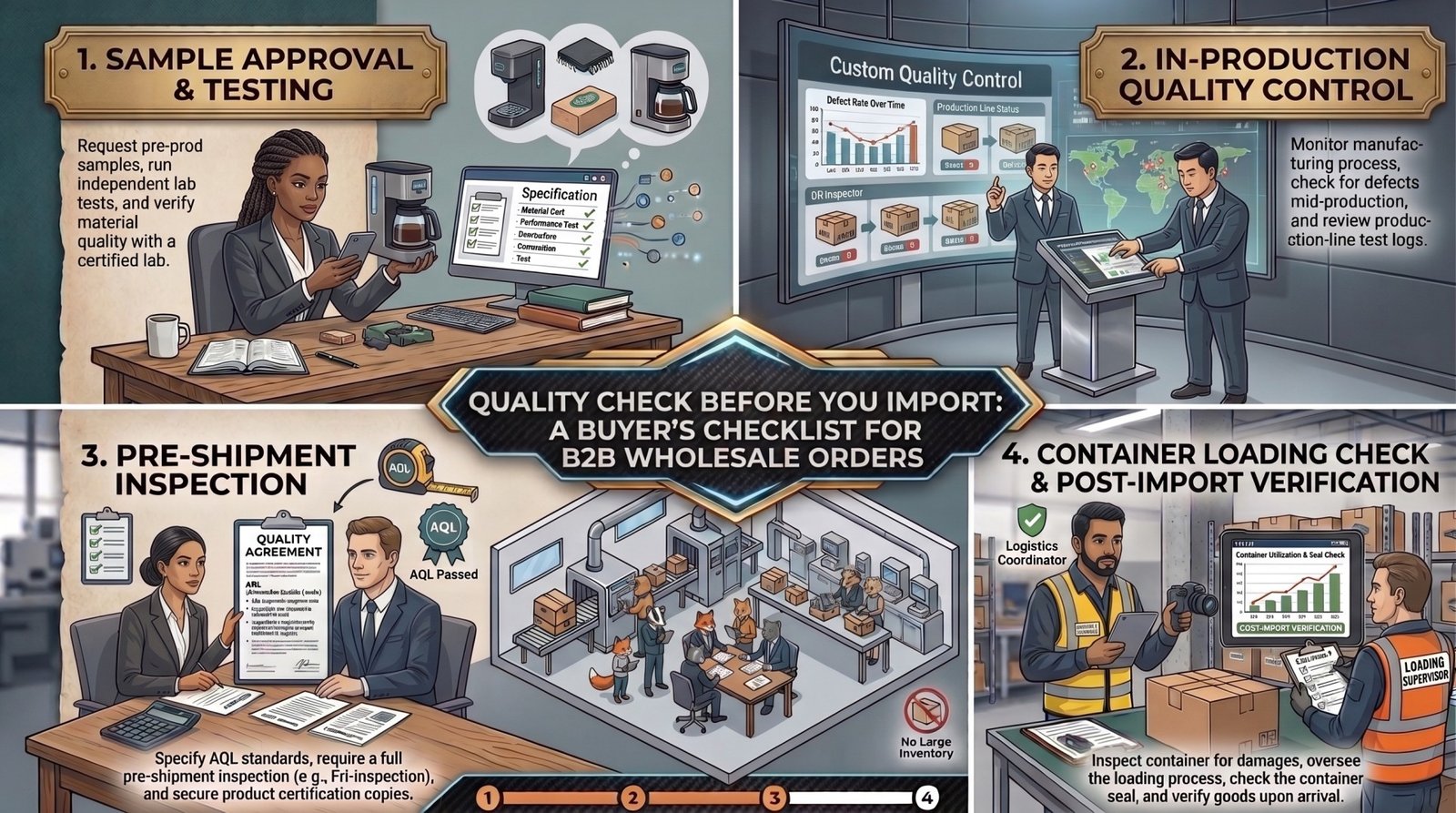
If you plan to conduct a pre-shipment inspection or third-party quality check, include that expense in your budget.
Step 6: Calculate Your Landed Cost Per Unit
Once all relevant expenses are estimated, divide the total landed cost by the number of units.
For example:
Total Landed Cost ÷ Total Units = Approximate Landed Cost Per Unit
This figure gives you a much more useful basis for calculating your selling price and expected margin.
Step 7: Keep a Contingency Buffer
International shipments can sometimes involve unexpected expenses or changes in freight and operational costs.
Maintaining a reasonable contingency amount can help protect your working capital.
Final Thoughts
Transparent pricing global sourcing is about understanding the complete cost of a purchase rather than focusing only on the supplier's headline product price.
A clear quotation should help you understand what is included, what is excluded, and which additional costs you may need to budget for.
Before placing a bulk order, compare suppliers using the same product specifications, check MOQ and payment terms, understand freight arrangements, estimate applicable import charges, and calculate the expected landed cost.
When businesses understand the complete cost structure, they can make more informed sourcing decisions, plan cash flow more accurately, and avoid unpleasant surprises after the order has already been placed.
For B2B buyers, transparent pricing is ultimately about creating a procurement process where the price you see and the cost you actually pay are clearly understood before you commit.